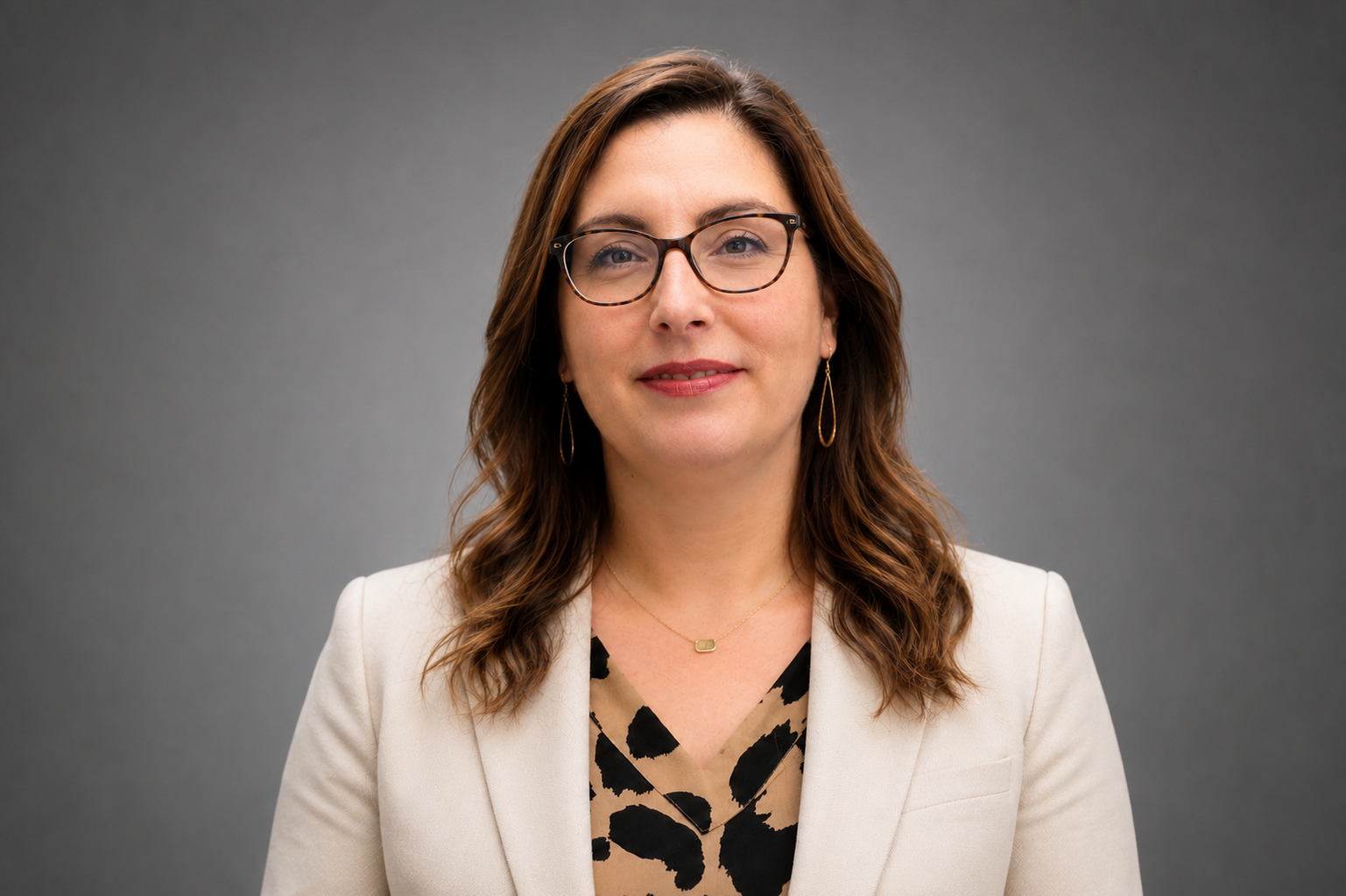
Lenette Hernandez, M. Ed.
Executive Leadership.
Systems Thinking.
Capacity Building.
Lenette Hernandez is an educational executive with more than twenty-five years of experience leading instructional improvement, leadership development, organizational transformation, and continuous improvement across K–12 education.
She currently serves as Director of Multilingual Learner Programs for the School District of Pickens County, South Carolina, where she provides strategic leadership for districtwide multilingual learner programming across twenty-four schools. In this role, she partners with district and school leaders to strengthen instructional systems, expand educator capacity, and ensure equitable access to rigorous, grade-level instruction.
Throughout her career, Lenette has been recognized for building sustainable systems that improve teaching and learning. Her leadership has included redesigning district instructional models, developing comprehensive professional learning systems, implementing educator effectiveness frameworks, leading federal program administration, strengthening instructional coaching, and creating scalable resources that support educators across diverse learning environments.
Prior to her district leadership role, Lenette served as an Assistant Principal, Instructional Coach, School Improvement Coordinator, and English Language Arts teacher. These experiences provide her with a comprehensive understanding of educational leadership from classroom instruction through district-level strategic planning.
Her leadership philosophy centers on the belief that exceptional schools are created by exceptional educators working within coherent systems that promote collaboration, continuous improvement, and high expectations for every learner.
Lenette holds a Master of Education in Educational Administration and Supervision from Columbia College and a Bachelor of Arts from Florida International University. She maintains professional certifications in educational leadership, English language learner education, gifted education, literacy, and educator evaluation.
Leadership Philosophy
Every Student Deserves Exceptional Teaching
I believe the quality of a school system is determined by the quality of instruction students experience every day. Sustainable improvement does not happen through isolated initiatives—it is built through coherent systems that develop people, strengthen instructional practice, and align organizational efforts around a shared vision for student success.
My leadership is grounded in four guiding principles.
Leading with Purpose
Every initiative should advance student learning and support educators in delivering meaningful instruction. Strategic decisions must remain focused on improving outcomes for students while building trust among those responsible for implementing change.
Building Capacity
Lasting improvement occurs when leaders invest in people. Professional learning, coaching, collaboration, and leadership development create organizations capable of sustaining excellence long after individual initiatives conclude.
Designing Systems
Effective organizations reduce complexity through intentional systems that clarify expectations, strengthen accountability, and create consistency across schools while allowing educators the flexibility to meet the needs of diverse learners.
Pursuing Continuous Improvement
Educational excellence is never finished. Meaningful progress requires reflection, evidence-based decision making, innovation, and the willingness to continuously refine practice in response to changing student needs.
Executive Competencies
Complex Work Translated into Executive Outcomes
Strategic Leadership
Leading districtwide initiatives that improve instructional quality and organizational performance.
Professional Learning
Creating scalable learning experiences that improve instructional effectiveness.
Data-Informed Decision Making
Using multiple measures of evidence to guide strategic planning and organizational improvement.
Organizational Improvement
Designing systems that strengthen accountability, efficiency, and continuous improvement.
Instructional Leadership
Developing instructional models that improve educator practice and student achievement.
Change Management
Successfully leading complex organizational initiatives requiring collaboration across multiple stakeholder groups.
Federal Program Leadership
Ensuring responsible stewardship, compliance, and effective implementation of federally funded educational programs
Leadership Development
Building leadership capacity through coaching, mentoring, and professional learning.
-
![]()
“Lenette is an advocate for teachers and students alike, always striving to provide the best and demonstrating a belief that all students can and should have the opportunity to learn at high levels.”
-
![]()
“She is solutions oriented and seeks out areas of need through root cause and data analysis.”
-
![]()
“She provides instructional support to all of our teachers and coordinates our PLC model with our Department Chairs.”
-
![]()
“Her work includes learning walks, professional development, and school improvement efforts that bring stakeholders together around shared goals.”
-
![]()
"Ms. Hernandez has demonstrated exceptional leadership throughout the 2025-2026 school year. Her contributions to the multilingual program reflect a deep commitment to student access, staff support, and systemic program development."
-
![]()
“I feel lucky to be a part of the ML community in our district. Your leadership has helped me learn and grow so much! …I appreciate being a part of a program that works to hard to make it the best it can be!”
-
![]()
“This was a great year and I feel like I personally learned and grew so much as a Multilingual Learner teacher!”
-
![]()
“I'm grateful for your leadership and all of the support you provide for our team!”